Understanding Distressed Property: What Homeowners Need to Know
Understanding Distressed Property
When it comes to real estate, the term "distressed property" often conjures images of run-down homes and urgent sales. However, the concept is more nuanced than it appears. Understanding distressed properties is crucial for homeowners, especially if you are facing financial difficulties or considering investment opportunities.

What is a Distressed Property?
A distressed property is typically a home that is under foreclosure or is being sold by the lender. These properties can arise due to financial hardships faced by the owner, leading them to default on their mortgage payments. The lender then takes steps to recover the loan amount, often resulting in a quick sale.
Distressed properties can also include homes that are in poor condition, which might require significant repairs or renovations. These homes are usually priced lower than their market value, attracting buyers looking for investment potential.
Types of Distressed Properties
There are several types of distressed properties that homeowners and buyers should be aware of:
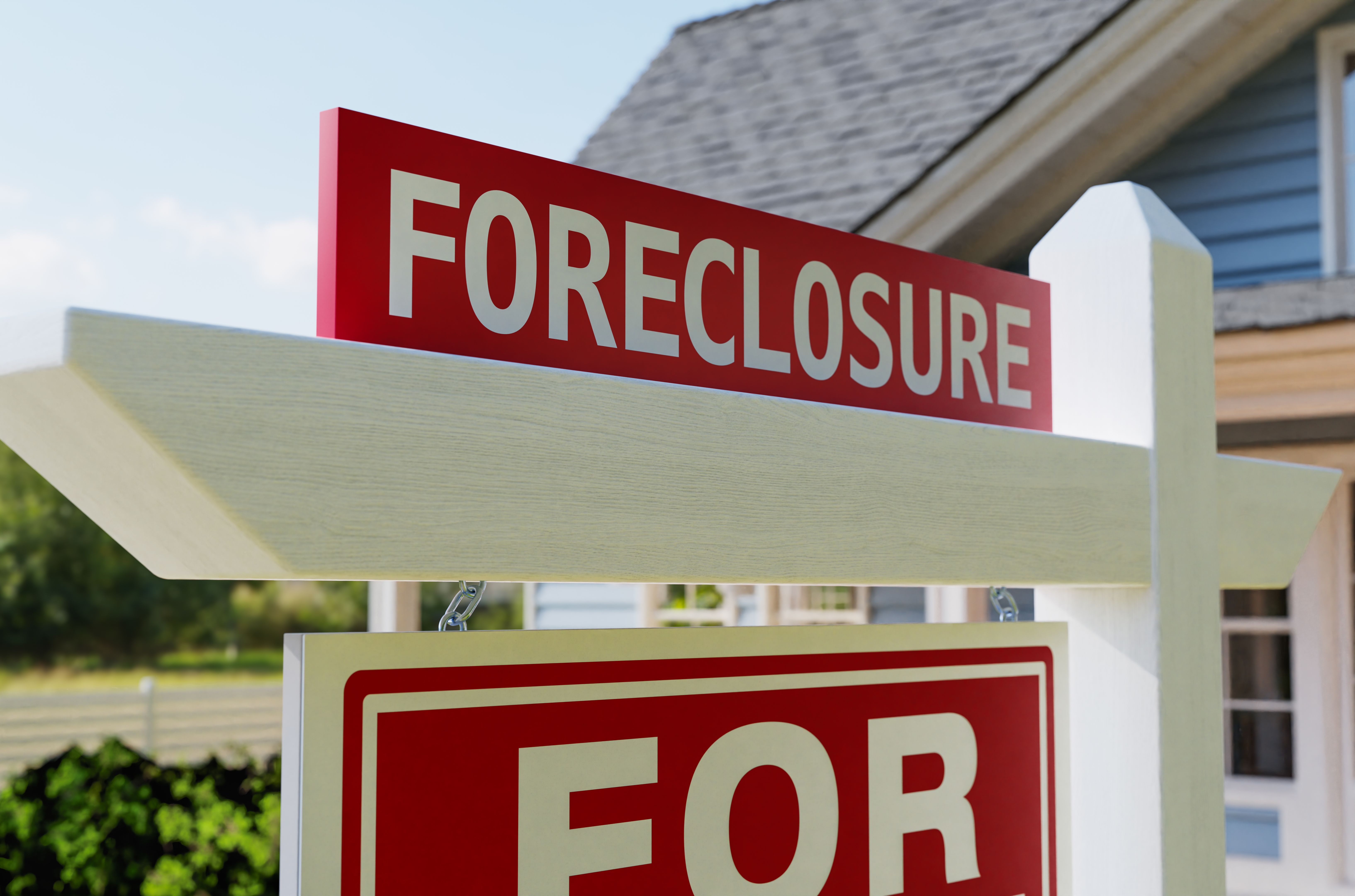
- Foreclosures: These occur when a homeowner is unable to make mortgage payments, and the lender seizes the property.
- Short Sales: In this scenario, the homeowner sells the property for less than the outstanding mortgage debt, with lender approval.
- Real Estate Owned (REO): Properties owned by lenders after unsuccessful auction attempts.
For Homeowners Facing Distress
If you’re a homeowner dealing with financial hardship, it’s important to know your options. Communicate with your lender as early as possible to explore alternatives like loan modifications or refinancing. These steps can sometimes prevent foreclosure and allow you to retain your home.
In some cases, selling your property through a short sale might be the best option. This process can help you avoid foreclosure and mitigate the impact on your credit score. Consulting with a real estate professional can provide guidance tailored to your situation.
For Potential Buyers
Investing in a distressed property can offer significant financial gains, but it comes with its own set of challenges. Due diligence is essential to ensure you're making a sound investment. Consider hiring a home inspector to assess the property's condition and estimate repair costs.

Additionally, understanding the local real estate market and having a clear strategy can guide your decision-making process. Working with experienced real estate agents who specialize in distressed properties can be invaluable.
Conclusion
Whether you’re a homeowner facing financial distress or a buyer considering an investment, understanding the intricacies of distressed properties is essential. By staying informed and seeking professional advice, you can navigate these complex situations more effectively.