Top Options for Distressed Homeowners in Iowa to Avoid Foreclosure
Understanding Foreclosure in Iowa
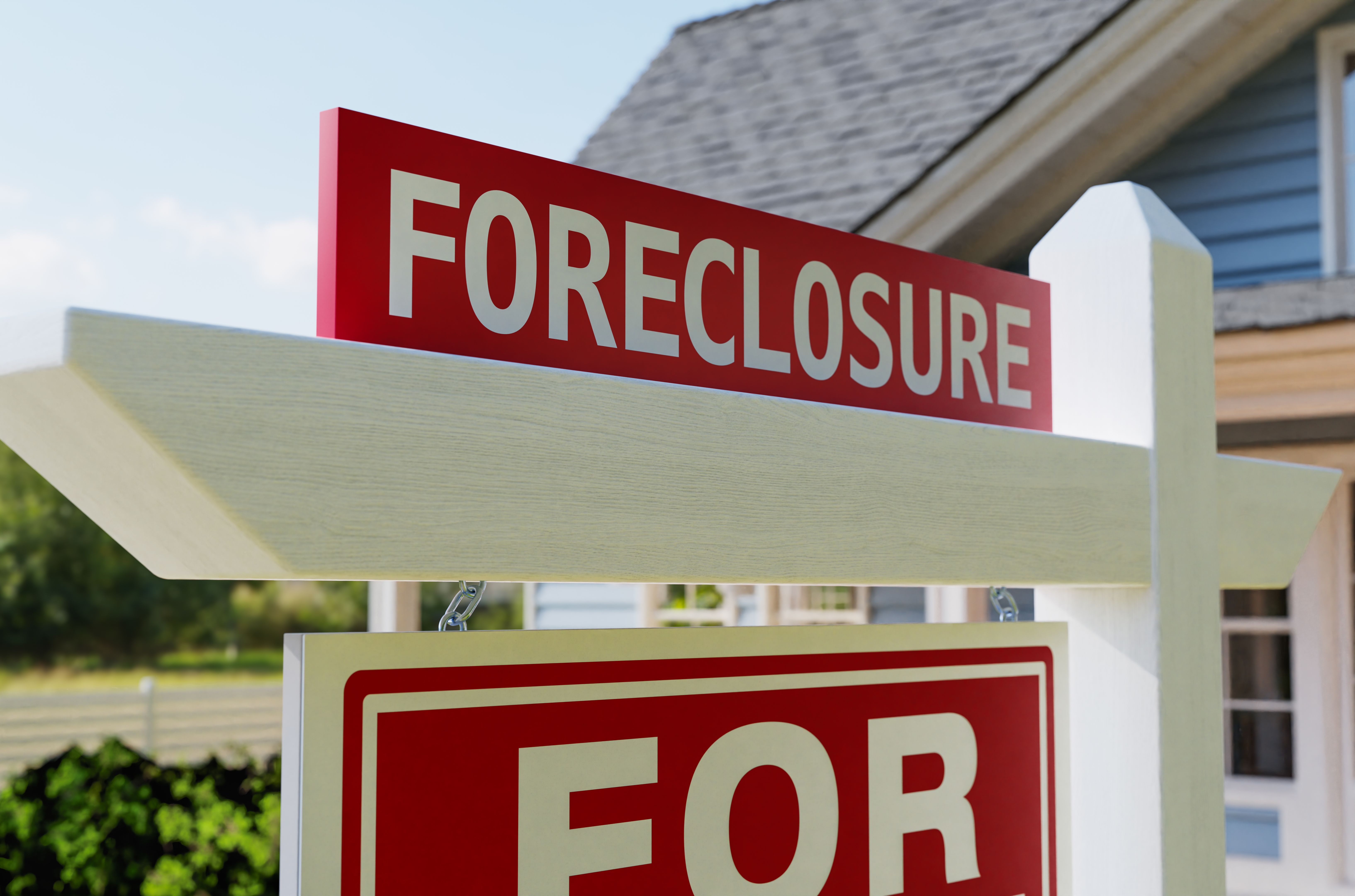
For many homeowners in Iowa, facing foreclosure can be a daunting experience. When financial hardships arise, the risk of losing a home becomes a pressing concern. Understanding the foreclosure process in Iowa is crucial for homeowners seeking to navigate this challenging time effectively.
Foreclosure in Iowa is primarily a judicial process, meaning it involves court proceedings. This can provide homeowners with some time to explore their options and potentially find a solution to avoid losing their home. However, time is of the essence, and taking prompt action can make a significant difference.
Communicate with Your Lender
One of the first steps distressed homeowners should take is to communicate with their lender. Lenders may offer solutions to help avoid foreclosure, especially if they are aware of your financial difficulties early on. Options such as loan modifications, forbearance, or repayment plans might be available.
When contacting your lender, it’s important to be prepared with documentation of your financial situation, including income, expenses, and any relevant hardship information. This transparency can facilitate more productive discussions and potentially lead to a beneficial arrangement.
Loan Modifications
A loan modification involves changing the terms of your mortgage to make payments more manageable. This could include extending the loan term, reducing the interest rate, or adjusting the principal balance. By making your mortgage more affordable, you may avoid foreclosure and stay in your home.

Explore Government Assistance Programs
The federal and state governments offer various programs to assist homeowners facing foreclosure. These programs are designed to provide financial relief and support to help you keep your home.
One such program is the Home Affordable Modification Program (HAMP), which aims to lower mortgage payments to a more affordable level. Additionally, Iowa has state-specific initiatives that might offer grants or loans to eligible homeowners in distress.
Consult a Housing Counselor
Housing counselors approved by the U.S. Department of Housing and Urban Development (HUD) can provide free or low-cost advice to homeowners. They can help you understand your options, prepare for negotiations with your lender, and develop a plan to avoid foreclosure.

Consider Selling Your Home
If keeping your home is not feasible, selling it may be a viable option to avoid foreclosure. By selling your home, you can pay off your mortgage and potentially preserve your credit rating. In some cases, a short sale, where the lender agrees to accept less than the mortgage balance, might be necessary.
Working with a real estate agent experienced in distressed properties can help you navigate the selling process efficiently. They can assist with pricing, marketing, and negotiating with potential buyers and your lender.
Bankruptcy as a Last Resort
Filing for bankruptcy can halt the foreclosure process temporarily and provide you with some breathing room to reorganize your finances. However, this option should be considered carefully and ideally discussed with a bankruptcy attorney to understand the long-term implications.
While bankruptcy can provide immediate relief, it can have lasting effects on your credit score and financial future. It's essential to weigh the pros and cons before proceeding with this option.

Conclusion
Facing foreclosure is undoubtedly challenging, but understanding your options can empower you to take control of the situation. By exploring avenues such as loan modifications, government assistance, and professional guidance, Iowa homeowners can find ways to avoid foreclosure and maintain stability during difficult times.
Remember, acting swiftly and seeking assistance early on can significantly improve your chances of finding a workable solution. Consider reaching out to professionals who can guide you through the process and help you make informed decisions.