Navigating the Iowa Real Estate Market: Expert Tips for Distressed Homeowners
Understanding the Distressed Property Landscape
In the world of real estate, a "distressed property" refers to homes facing foreclosure, short sale, or are otherwise in financial difficulty. Navigating the Iowa real estate market as a distressed homeowner can be challenging, but understanding the landscape is the first step towards making informed decisions. It's crucial to assess the current market conditions and identify potential opportunities.
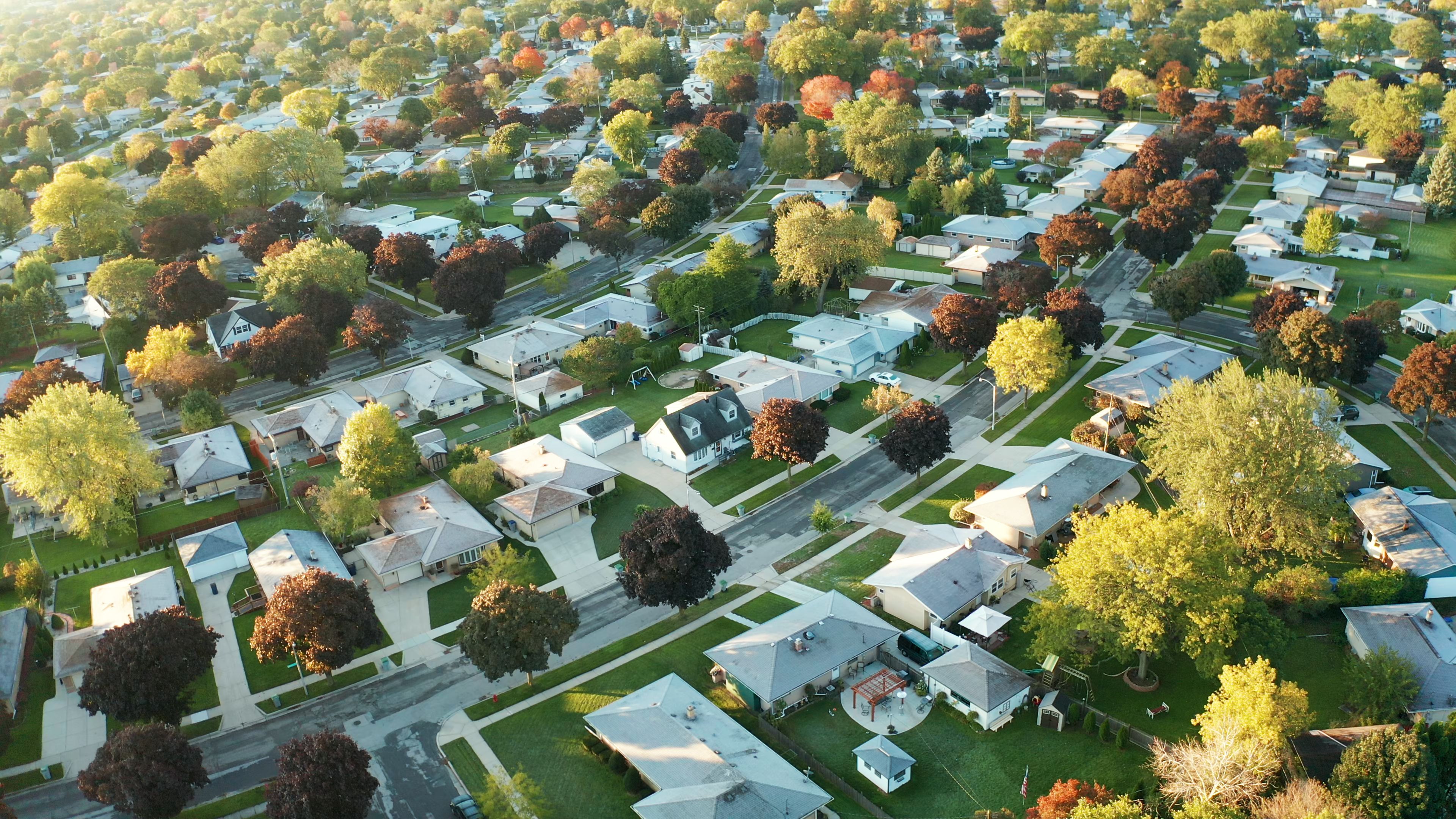
Iowa's real estate market offers unique opportunities for distressed homeowners. With a mix of urban and rural properties, the state provides options for various buyers and sellers. Understanding these dynamics can help homeowners find the right solutions to their financial challenges.
Exploring Financial Assistance Options
As a distressed homeowner, exploring financial assistance options is vital. Programs at both the state and federal levels can provide temporary relief and help you stabilize your situation. Consider reaching out to local housing agencies for guidance on available resources and eligibility requirements.

Some common programs include mortgage assistance, refinancing options, and government-backed loans. These can offer the financial breathing room needed to navigate difficult times. It’s important to research each option thoroughly to determine the best fit for your circumstances.
Working with Real Estate Professionals
Partnering with experienced real estate professionals can make a significant difference in your journey as a distressed homeowner. Realtors and financial advisors can provide valuable insights and help you explore options such as a short sale or loan modification.
When choosing a real estate agent, look for someone with experience in handling distressed properties. Their expertise can help you negotiate better terms and potentially avoid foreclosure. Be sure to ask for references and conduct interviews to find the right fit.

Understanding the Short Sale Process
If selling your home is the best course of action, understanding the short sale process is essential. A short sale involves selling your home for less than the balance remaining on your mortgage. It can be a viable alternative to foreclosure, but it requires lender approval and can take several months to complete.
The short sale process typically involves listing the property, receiving offers, and negotiating with the lender. Working with a knowledgeable real estate agent can simplify this process and increase the chances of a successful sale.
Preparing Your Home for Sale
Preparing your home for sale is a crucial step in attracting potential buyers. Start by decluttering and making necessary repairs to improve the property's appeal. Simple updates, like a fresh coat of paint or updated fixtures, can make a significant difference.

Consider staging your home to create an inviting atmosphere. Staging can help buyers visualize themselves living in the space, potentially leading to a quicker sale. Your real estate agent can provide advice on how to stage your home effectively.
Conclusion
Navigating the Iowa real estate market as a distressed homeowner may seem daunting, but with the right strategies and support, it’s possible to find a path forward. By understanding the market, exploring financial assistance, working with professionals, and preparing your home for sale, you can make informed decisions that align with your financial goals.
Remember, seeking guidance and taking proactive steps can make a significant difference in your journey. With perseverance and the right resources, you can overcome the challenges of being a distressed homeowner in Iowa.