Avoiding Foreclosure: What Distressed Homeowners Need to Know About Iowa Regulations
Facing foreclosure can be an overwhelming experience for homeowners. Understanding the regulations in Iowa can empower you with the knowledge to protect your home. This guide covers essential information about avoiding foreclosure in Iowa.
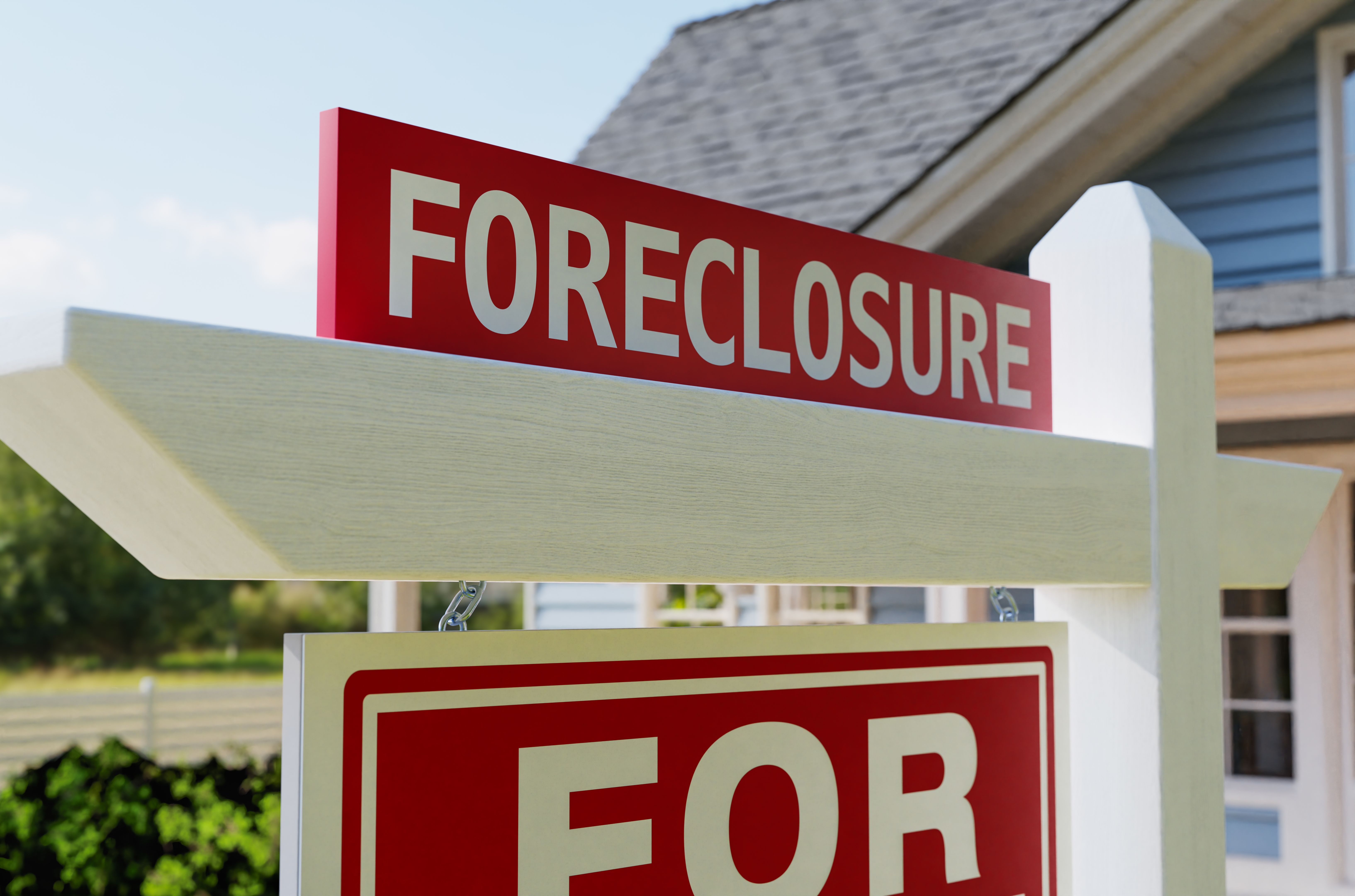
Understanding Foreclosure in Iowa
In Iowa, the foreclosure process is judicial, meaning it involves court action. This process can be lengthy, providing homeowners with time to explore their options. Once a lender initiates foreclosure, the homeowner will receive a notice, and the case will be filed in court.
It's crucial to respond promptly to any legal notices. Ignoring these can result in losing your rights to defend your home. If you are served with a foreclosure notice, consult with a legal professional immediately to understand your options.
Steps in the Foreclosure Process
The foreclosure process typically follows these steps:
- Lender files a lawsuit for foreclosure.
- Homeowner receives a notice and has a limited time to respond.
- The court reviews the case and may issue a foreclosure judgment.
- If the judgment is in favor of the lender, a sale date is set for the property.

Options to Avoid Foreclosure
Homeowners have several options to consider when trying to avoid foreclosure:
- Loan Modification: Adjusting the terms of your mortgage can make payments more manageable.
- Repayment Plan: Arranging a plan to catch up on missed payments over time.
- Forbearance: Temporarily reducing or pausing payments.
- Short Sale: Selling the property for less than the mortgage balance, with the lender's approval.
Each option has its pros and cons, and consulting with a housing counselor can help determine the best course of action for your specific situation.

Legal Protections for Homeowners
Iowa offers certain legal protections to homeowners facing foreclosure. Under state law, homeowners have the right to redeem their property even after a foreclosure sale, typically within one year. This means they can reclaim their home by paying the full sale price, plus any additional costs.
Additionally, Iowa law requires lenders to follow strict notification procedures, ensuring homeowners are fully informed throughout the process. Understanding these rights can provide a significant advantage when navigating foreclosure.
Seeking Professional Assistance
Engaging with professionals, such as housing counselors or attorneys, can provide invaluable support during the foreclosure process. These experts can help you explore all available options and ensure you comply with all legal requirements.
Many nonprofit organizations offer free or low-cost counseling services for distressed homeowners. Taking advantage of these resources can make a significant difference in your ability to keep your home.
In conclusion, while foreclosure can be daunting, understanding Iowa's regulations and available options can empower homeowners to take control of their situation. Actively engaging with the process and seeking professional assistance are critical steps in avoiding foreclosure and securing your home's future.